
iscc_logo_1_

ISCC – Certified Biomass and Bioenergy

ISCC EU is a globally recognized certification that allows biomass, biofuel and bioenergy producers to demonstrate their compliance with European regulations on sustainability, traceability, and the reduction of greenhouse gas (GHG) emissions.
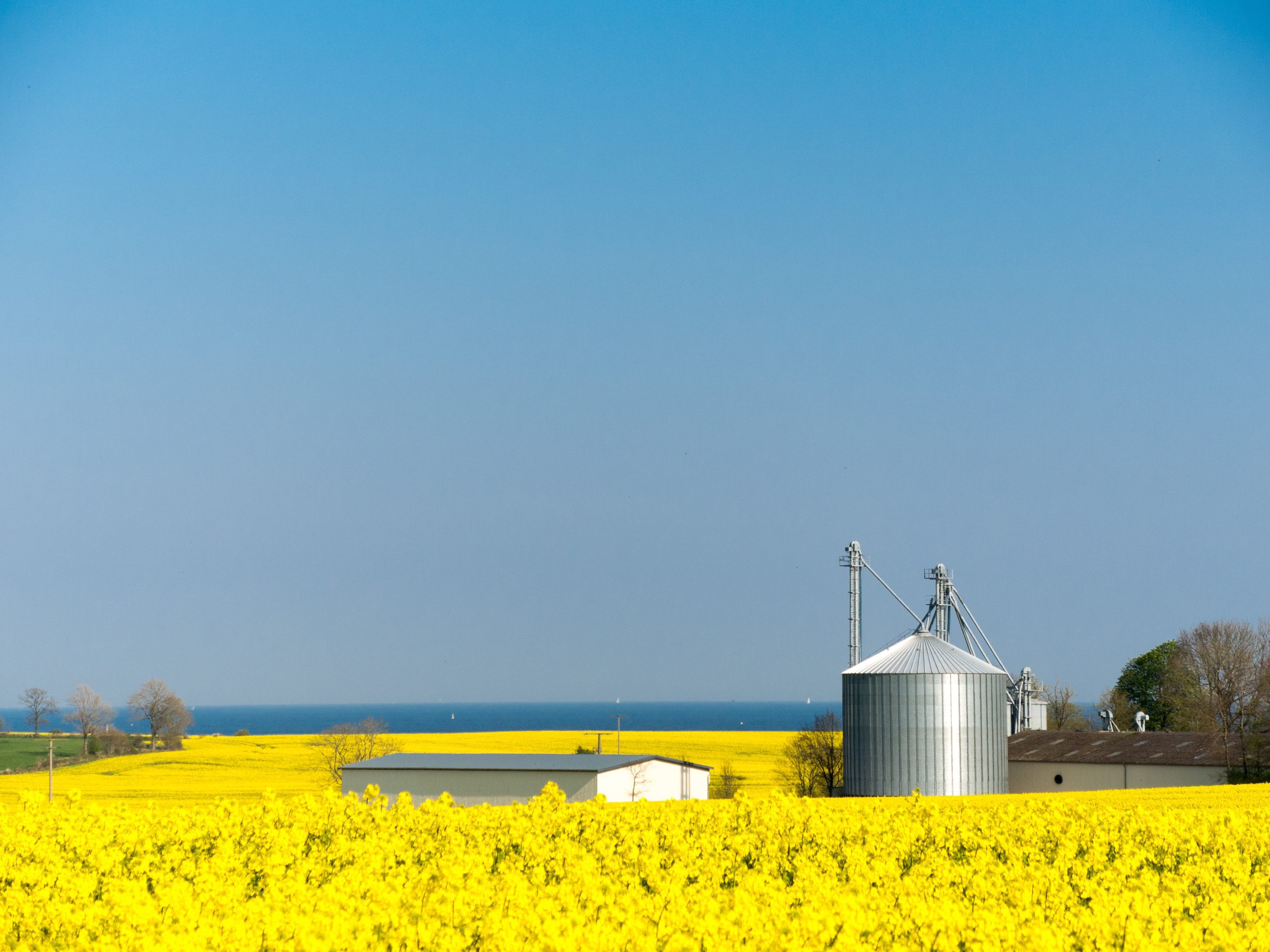
Nachhaltige Landwirtschaft Biogasanlage in einem Rapsfeld
    ISCC certificate

    What is the ISCC EU Certification?

    Aligning with the European Union’s Renewable Energy Directive (RED III), the International Sustainability and Carbon Certification (ISCC) EU is a certification scheme which allows global supply chains to verify the sustainability and traceability of their alternative feedstocks and renewable fuels.

    The ISCC EU certificate is mandatory for companies operating in the EU market. It is open to:

    • Primary producers, including farms, plantations, and waste and residue points of origin
    • First gathering points and collecting points
    • Conversion units, which output intermediate products or final fuel
    • Traders of raw and intermediate materials or final fuel

    By covering such a wide range of economic operators, the entire biomass supply chain can demonstrate its regulatory compliance and a commitment to advancing the circular economy with the ISCC EU certificate.

    Get in touch with our experts

    Benefits of ISCC EU Certification

    The ISCC EU certificate has been issued to tens of thousands of businesses to verify their high sustainability and traceability standards. In doing so, these businesses have also experienced an array of other benefits.

    • Flexibility for the Future

      Many materials fall within the scope of the ISCC EU certification, including newer additions such as renewable fuels of non-biological origin (RFNBOs) and recycled carbon fuels (RCFs). As the list of eligible materials expands, ISCC EU offers a future-ready framework that keeps pace with innovations, evolving regulations, and market expectations.

    • Risk Assurance

      ISCC EU’s comprehensive criteria make it a leading sustainability certification system that is recognised by the European Commission for its strict alignment with the goals of RED III. By retaining the ISCC EU certification, you can minimise financial, legal, and reputational risks by keeping pace with the European Union’s climate change policies.

    • Competitive Advantage

      To operate in the lucrative EU market, companies must comply with RED III. Beyond this regulatory mandate, growing consumer awareness in the region is putting pressure on brands to demonstrate genuine sustainability performance. With the ISCC EU certification, you can remain competitive by showing EU consumers that you meet the highest standards of responsible sourcing and ethical production.

    ISCC EU vs ISCC PLUS

    Though the ISCC EU and ISCC PLUS certification systems both deal with sustainability and traceability, there are important distinctions between the two.

    ISCC EU is mandatory for economic operators supplying renewable fuels to the EU market. In contrast, ISCC PLUS is a voluntary certification which encompasses a broader range of materials and has been designed for global application beyond the specific requirements of RED III.

    In addition, while ISCC EU’s scope extends to biomass used to create renewable energy, ISCC PLUS also applies to biomass used in the production of bio-based and circular materials across global markets.

    Though ISCC EU and ISCC PLUS are two distinct certification schemes, there are overlaps between the two. As a result, some organisations pursue both certifications to address different regulatory and market requirements, while others only obtain the scheme most relevant to their current operations.
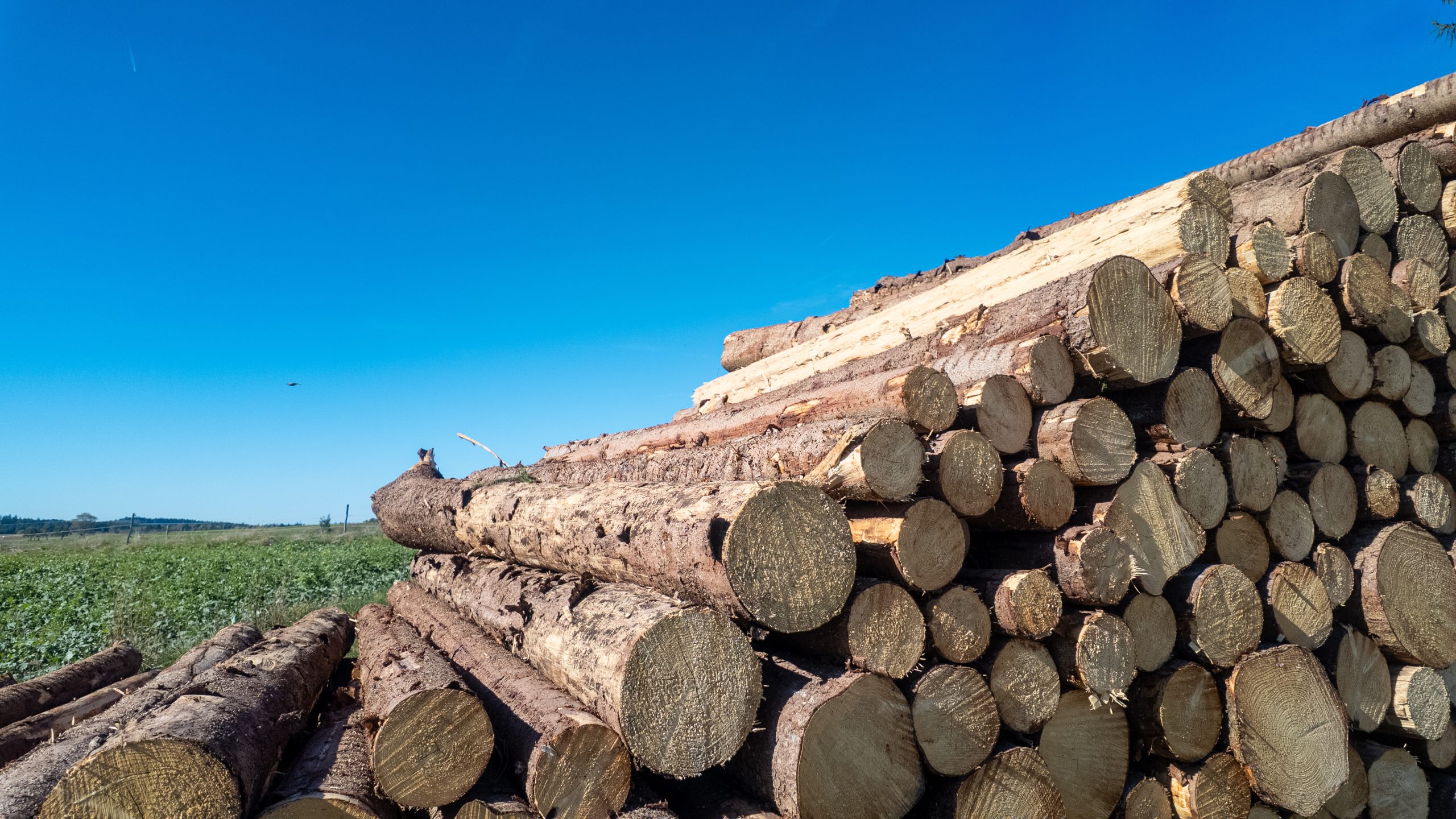
    Stacked timber logs in a rural landscape, freshly harvested wood prepared for forestry, construction, heating, and sustainable biomass production under a clear blue sky

    Certifiable Feedstocks and Fuels Under ISCC EU

    The ISCC EU certification can be used to verify the sustainability of a wide range of feedstocks. A list of eligible materials is available on the ISCC website; however, this list is not exhaustive and may be updated incrementally to reflect new approved feedstocks and developments in renewable energy production from biomass.

    As a brief overview, the current ISCC EU-approved materials list includes:

    • Agricultural biomass (e.g. rapeseed, corn)

    • Forest biomass (e.g. timber, resins, berries)

    • Waste and residues (e.g. use cooking oil (UCO, animal fats)

    • Biofuels, bioliquids and biomass fuels (e.g. biodiesel, bioethanol)

    • Renewable fuels of non-biological origin (RFNBOs)

    • Recycled carbon fuels (RCFs)

    Becoming ISCC EU Certified

    To become ISCC EU certified, applicants undertake a structured five-step process.

    Step 1 – Appointing an Approved Certification Body

    The first step is to formally appoint an ISCC EU–recognised certification body to perform your audit. This must be confirmed through a signed agreement. Without a valid contract in place, the certification process cannot proceed.

    Step 2 – Creating an ISCC HUB Account

    Registration is a mandatory administrative step prior to ISCC EU audit completion. You must register on ISCC HUB – a secure online portal for submitting your company information, managing your certification data, and accessing your certificate once it has been issued.

    Step 3 – Implementing and/or Reviewing your Management System

    Before the audit takes place, you will need to ensure your sustainability management system is fully established and operational. Adequate preparation at this stage is critical to a successful audit outcome, and your system should include your sustainability policies and procedures; relevant documentation and risk assessments; your chain of custody system; information relating to internal audits, and greenhouse gas (GHG) management.

    Step 4 – Certification Audit

    Your appointed ISCC EU auditor will agree an audit schedule with you, including the required on-site assessment. During the audit, the auditor will evaluate your systems, documentation, and operational practices against ISCC EU requirements. The findings are documented in a formal audit report, which determines whether certification can be recommended.

    Step 5 – Certification Decision and Publication

    Provided any identified non-conformities are resolved within the required timeframe, your ISCC EU certificate will be issued through the ISCC HUB. Your company’s certification status will also be listed in the public ISCC database. Certification remains valid for 12 months. To maintain uninterrupted certification and sustainability claims, the next audit should be scheduled approximately ten months after the certificate’s issue date.

    ISCC EU: Frequently Asked Questions

    ISCC EU is an internationally recognised certification scheme that enables biomass, biofuel and bioenergy producers to demonstrate compliance with European sustainability, traceability and greenhouse gas (GHG) emissions reduction requirements under RED III.

    Though both are administered by the International Sustainability and Carbon Certification (ISCC), ISCC EU and ISCC PLUS are distinct in their regulatory mandate and scope.

    While ISCC EU is essential for economic operators to demonstrate their compliance with the European Union’s Renewable Energy Directive (RED III), ISCC PLUS is a voluntary certification which incorporates a wider range of materials and applies globally.

    The ISCC EU certifies a wide range of alternative feedstocks, including agricultural biomass, forest biomass, and waste and residues. The current list of eligible feedstocks can be found on the ISCC website.

    Go to ISCC website

    The list of renewable fuels that are eligible for ISCC EU certification is ever-expanding to incorporate innovation in the field. Currently, the list includes biofuels, bioliquids, biomass fuels, renewable fuels of non-biological origin (RFNBOs), and recycled carbon fuels (RCFs). The current list of eligible fuels can be found on the ISCC website.

    Go to ISCC website

    Becoming ISCC EU certified involves five key steps: appointing an approved certification body, registering on the ISCC HUB, implementing a compliant sustainability management system, completing an on-site certification audit, and receiving certification upon successful review. Certificates are valid for 12 months, with re-certification required to maintain compliance.

    To achieve ISCC EU certification, your organisation must undergo an independent audit to demonstrate compliance with the scheme’s sustainability and traceability requirements. Drawing on extensive certification expertise and a global presence, our auditors provide a rigorous and objective evaluation of your operations, enabling you to become ISCC EU-certified and add proof to your promise.

    Contact us now

    Request an offer or contact us for more info

    Name(Vereist)