

ETS 2 European Trading System. Business, environmental concept. Text ETS on wooden blocks and a businessman’s hand adding a cube with the number two. New System for Trading in Carbon Emission Permits.

EU ETS 2 Verification Services

    Independent verification for EU ETS 2 reporting and compliance

    The EU Emissions Trading System 2 (EU ETS 2) uses carbon pricing to combat CO2 emissions from fuel combustion in sectors such as road transport, buildings and other sectors not covered under the existing EU ETS.

    ETS 2 will become fully operational in 2028, with some preliminary monitoring and compliance obligations coming into effect from 2024. As reporting and compliance obligations increase, organisations across the fuel and energy supply chain will require robust monitoring systems, accurate emissions reporting and independent verification.

    Control Union provides accredited verification services across all EU countries to help businesses prepare for ongoing compliance requirements. Organisations that start preparing early will be better positioned to adapt to evolving requirements, manage risks and reduce exposure to non-compliance penalties.

    What is EU ETS 2?

    EU ETS 2 is an emissions trading system introduced by the European Commission as part of the wider European Green Deal. Unlike the existing EU ETS, which launched in 2005 and focuses primarily on heavy industry and power generation, ETS 2 applies upstream to fuel suppliers linked to:

    • road transport
    • buildings
    • heating
    • certain smaller industrial sectors

    Compliance obligations under ETS 2 generally fall on fuel suppliers and distributors, rather than individual end users or consumers.

    The system is designed to accelerate emissions reductions in sectors that are more difficult to decarbonise by extending carbon pricing further into the economy.

    What does ETS 2 mean for businesses?

    Under ETS 2, organisations responsible for placing fuels on the market must monitor, calculate and report emissions data in line with regulatory requirements. Businesses that fail to determine whether ETS 2 applies to them may face penalties for non-compliance.

    The regulation also introduces increasing expectations around:

    • Emissions monitoring

    • Approved monitoring plans

    • Annual emissions reporting

    • Verification readiness

    • Authority oversight

    • Annual compliance timelines

    What role does verification play in ETS 2 compliance?

    ETS 2 is a regulated framework, meaning organisations covered by the regulation are legally required to comply with defined monitoring, reporting and verification requirements. Independent verification helps ensure emissions data is accurate, traceable and compliant with the applicable framework.

    Unlike voluntary verification schemes, ETS 2 also involves direct interaction with competent authorities. Monitoring plans must be approved by the relevant authority, and the verifier, such as Control Union, reports directly to the authority, not the client.
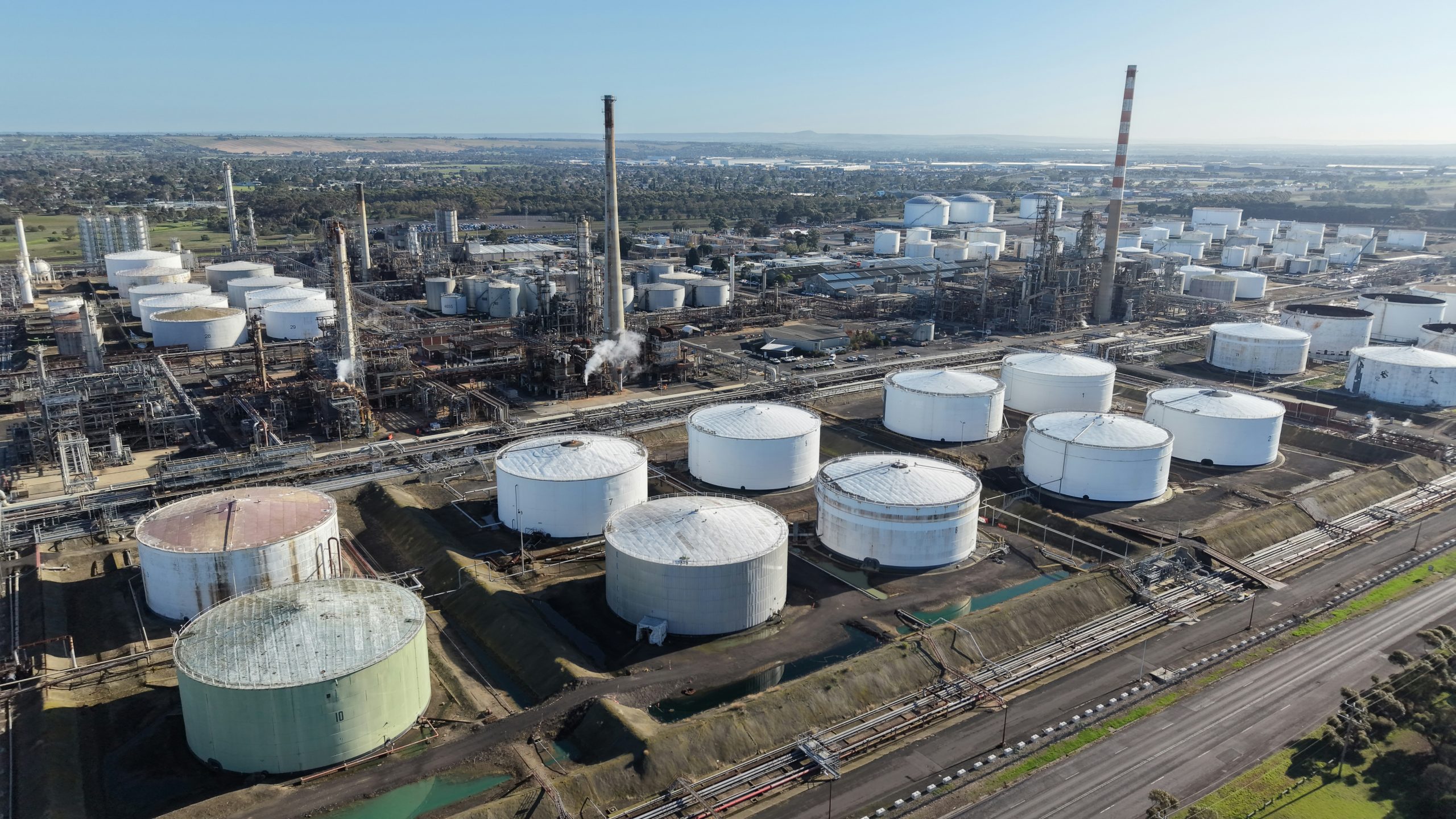
    ETS compliance

    What are the benefits of ETS 2 compliance?

    Effective ETS 2 compliance can deliver benefits beyond meeting regulatory obligations. For many organisations, preparing for ETS 2 creates an opportunity to strengthen emissions reporting systems, improve visibility over fuel use and build greater confidence in reported environmental data.

    A structured monitoring, reporting and verification approach can help improve reporting accuracy and identify weaknesses in monitoring systems before they become larger compliance issues. Many businesses only discover gaps in data collection, emissions calculations or documentation processes once formal reporting and verification activities begin. Addressing these issues early can help create more reliable reporting processes over time.

    Preparation for ETS 2 can also support stronger governance around emissions data and reporting responsibilities. Clearer methodologies, better organised documentation and more robust monitoring systems help organisations respond more effectively to regulatory deadlines and annual reporting requirements.

    Is ETS 2 compliance verification regulated or voluntary?

    ETS 2 sits within the regulated carbon market. Organisations covered by the framework are legally required to comply with emissions monitoring, reporting and verification obligations established by the European Commission and implemented through national competent authorities.

    This differs from voluntary carbon market schemes such as Verra/VCS or Gold Standard, where organisations typically pursue verification to support sustainability goals, carbon credit projects, customer requirements or ESG reporting objectives.

    ETS – Carbon market

    What is the timeline for complying with ETS 2?

    2024
    Monitoring plans and preparation begin
    Companies covered by ETS 2 begin preparing monitoring plans, emissions methodologies and reporting systems.

    2025–2026
    Reporting and readiness phase
    Organisations collect emissions data, strengthen monitoring systems and prepare for future third-party verification and compliance obligations.

    2027
    Initial compliance phase
    ETS 2 reporting and verification requirements expand, with organisations preparing for the transition into the full operational carbon trading regime. Annual emissions reporting and verification activities become increasingly important.

    2028
    ETS 2 becomes fully operational
    The full ETS 2 trading and allowance surrender system becomes operational, with companies required to surrender allowances corresponding to verified emissions linked to covered fuels.

    Annual compliance deadlines
    Ongoing verified emissions reporting
    Covered organisations must continue submitting verified annual emissions reports in line with regulatory deadlines to avoid penalties.

    What are some of the common compliance challenges with ETS 2?

    Many organisations affected by ETS 2 are still developing the systems and processes required to support compliant reporting. Common challenges include

    Because ETS 2 operates upstream, many organisations are unsure whether the regulation applies to them or where responsibility sits within the supply chain. Compliance obligations often fall on fuel suppliers or distributors rather than end users.

    Many existing fuel tracking and reporting systems were not designed for regulated carbon reporting, creating gaps in data collection, traceability and reporting consistency.

    Organisations operating across multiple suppliers, sites or business units may face inconsistencies in emissions factors, fuel classifications or reporting methodologies, making verification more complex.

    Many businesses are still developing their understanding of ETS 2 reporting requirements, including emissions calculations, reporting boundaries and approved monitoring methodologies.

    Organisations often underestimate the amount of preparation required before verification begins. Effective verification depends on clear methodologies, organised documentation and robust reporting processes.

    ETS 2 operates within strict annual reporting deadlines, creating pressure around data gathering, internal review and verification completion.

    Missing records, incomplete evidence trails or poorly organised supporting documentation can create delays, clarification requests and additional compliance risk during verification.

    Control Union’s five-step ETS 2 compliance process

    Understanding your ETS 2 obligations

    We begin by understanding your role within the fuel supply chain, the fuels covered and the applicable ETS 2 reporting obligations. This helps determine whether ETS 2 applies to your organisation and defines the scope of the verification activities.

    Pre-engagement and planning

    A significant part of the process involves reviewing your monitoring systems, reporting methodologies and supporting documentation before formal verification begins. This pre-engagement phase helps us better understand your business, reporting context and verification requirements.

    Data and documentation review

    Our expert team reviews emissions calculations, monitoring plans, methodologies and supporting evidence. Robust documentation and traceable emissions data are essential to support compliant ETS 2 reporting.

    Independent verification and assessment

    Control Union independently assesses the reported emissions data against the applicable ETS 2 requirements and verification criteria. This may include on-site assessment activities, clarification requests and corrective action processes where necessary.

    Verification outcome and authority reporting

    Following successful completion of the review process, Control Union issues the relevant verification outcome or opinion. Under ETS 2, reporting obligations also involve liaising with the relevant competent authority and adhering to defined annual reporting deadlines.

    How does ETS 2 affect different industry sectors?

    ETS 2 applies upstream, so the main compliance responsibility lies with regulated entities that provide covered fuels for consumption, rather than with individual households, drivers or end users. Fuel suppliers and distributors need to understand whether their activities fall within scope, secure the necessary greenhouse gas emissions permit and approved monitoring plan, and prepare annual emissions reports supported by traceable fuel and emissions data. From 2026, annual emissions data must be verified by an accredited verifier like Control Union.

    For road transport, ETS 2 covers emissions from the combustion of fuels used by vehicles, but the compliance obligation generally falls on the upstream fuel supplier rather than the fleet operator or driver. This means fuel suppliers serving the road transport market need robust systems for monitoring fuel volumes, calculating associated COâ‚‚ emissions and reporting them accurately.

    ETS 2 also covers fuels used for heating and energy use in buildings. Again, the obligation is generally placed upstream on the companies supplying the relevant fuels, not on individual tenants, households or building users. For suppliers serving the buildings sector, the main challenge is to ensure that fuel data, customer categorisation and emissions calculations are sufficiently robust to support annual reporting and verification.

    ETS 2 extends to certain additional sectors, mainly smaller industries not already covered by the existing EU ETS. For these organisations and their fuel suppliers, the key issue is determining whether activities fall under the original EU ETS or ETS 2, and ensuring that emissions are not missed or double-counted.

    Construction may be affected through fuels used in building activity, site operations and related supply chains, depending on how national implementation defines and applies the relevant ETS 2 categories. Businesses in this sector should focus on understanding where responsibility sits, whether they are directly regulated or indirectly affected through fuel suppliers, and what data may be required for compliance.

    Some businesses may not be covered by the original EU ETS but may still face ETS 2-related cost and reporting impacts through the fuels they purchase or supply. For these organisations, ETS 2 preparation is not only a compliance question, but also a way to improve visibility over fuel use, emissions exposure and future carbon-related costs.

    FAQ

    EU ETS 2 is a distinct EU emissions trading system covering fuels used in road transport, buildings and certain additional sectors not covered by the existing ETS. It expands carbon pricing into new areas of the economy as part of the EU’s climate strategy.

    ETS 2 primarily affects fuel suppliers and distributors responsible for placing covered fuels on the market. Compliance obligations generally apply upstream rather than directly to individual consumers.

    Preparatory reporting activities began between 2024 and 2026, while the operational phase is expected to become fully active from 2027 onwards.

    Independent verification helps ensure emissions data is accurate, compliant and supported by appropriate evidence and monitoring systems. Verification also forms part of the regulated compliance framework under ETS 2.

    The existing EU ETS primarily focuses on heavy industry and power generation, while ETS 2 expands carbon pricing into sectors such as road transport, buildings and fuel supply activities.

    Organisations that fail to meet ETS 2 obligations may face recurring penalties and ongoing compliance exposure. Businesses themselves are responsible for determining whether ETS 2 applies to them and act accordingly.

    Control Union’s ETS 2 verification services are supported through accredited verification structures within Europe, including accreditation through the Dutch Accreditation Council (RvA). The specialist ETS 2 verification team includes experienced assessors working across multiple European markets.

    Link to RvA

    How Control Union can help

    Control Union combines technical knowledge with a clear understanding of how ETS 2 works in practice. Our specialist team provides accredited verification services across all EU countries to help you take the next step towards ETS 2 readiness. Building on our experience of more than 300 performed verifications across the Netherlands, France, Belgium, Luxembourg, the Czech Republic, and Austria, we are technically capable of performing verifications in every EU member state.


    How can we help you?

    Tell us what you need verified, and we’ll match you with the right team and accreditation scope.

    ETS – Contact form
    Name(Required)
    MM slash DD slash YYYY
    Please let us know what's on your mind. Have a question for us? Ask away.