
Global grain trade is shifting. What does it mean for cargo inspection?
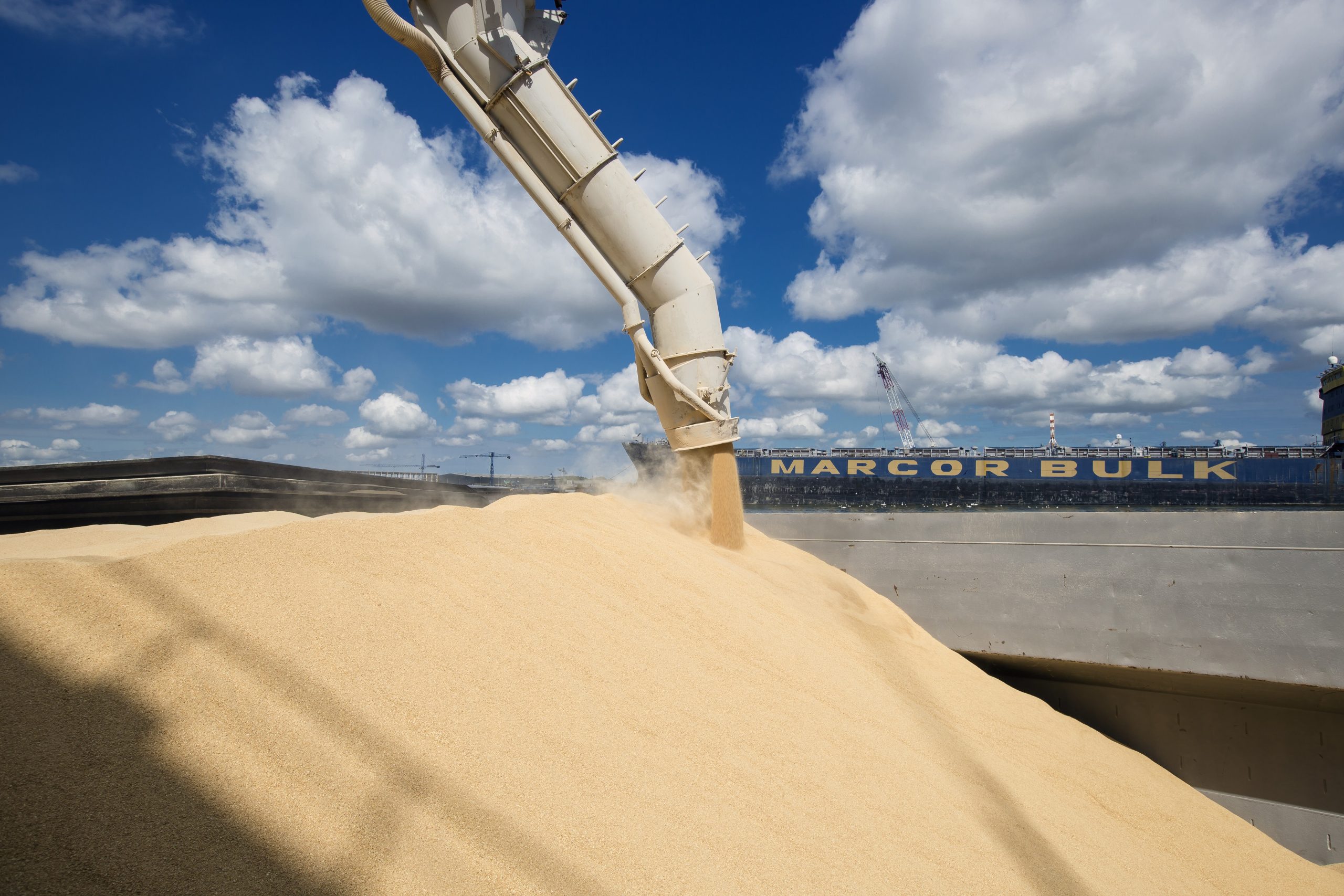
Global cereal production is approaching historically high levels, yet international trade is expected to contract in 2026/27. Black Sea shipping constraints, changing export availability and logistical pressures are affecting established trade routes.
For grain traders and operators, these developments raise an important question: how can consistent cargo assurance be maintained when sourcing markets and shipment arrangements change?
High production, tighter trade flows
According to the FAO’s October 2026 Cereal Supply and Demand Brief, global cereal production is forecast at approximately 2.979 billion tonnes, the second-largest harvest on record. Meanwhile, international cereal trade is expected to decline by 3.5% to 505.8 million tonnes in 2026/27.
The International Grains Council (IGC) also anticipates lower international trade in wheat and coarse grains. Its October outlook projects trade at 450 million tonnes, down 17 million tonnes from the previous season.
These forecasts highlight an important distinction: high global production does not necessarily translate into readily accessible export supplies. Black Sea shipping constraints, insufficient alternative transport capacity and regional differences in export availability are influencing sourcing decisions and freight arrangements.
For commodity traders, changing origins can also mean different port infrastructure, storage practices and cargo-handling procedures. Maintaining consistent quality and quantity verification becomes more complex when established supply chains are replaced or supplemented by unfamiliar routes.

Changing routes, changing operational risks
The October 2026 Agricultural Market Information System (AMIS) Market Monitor highlights continued logistical uncertainty affecting agricultural trade, including elevated freight rates and transport disruptions.
Changes in vessel nominations, loading windows and port availability can create additional pressure on shipment execution, particularly when inspection, sampling and documentation must be coordinated across several locations.
The challenge extends beyond inspection availability. A change in loading location may affect the methods used for quantity determination, access to sampling equipment or the timing of quality assessments. Additional handling stages can also introduce differences between the condition of a commodity at origin and its condition at vessel loading.
For traders operating under GAFTA or other contractual frameworks, the reliability of inspection evidence is particularly important. Differences between loading and discharge findings require careful interpretation of sampling procedures, measurement methods and contractual provisions.
Independent inspection cannot eliminate these uncertainties. However, clearly defined inspection instructions, appropriate inspection points and properly documented findings provide a more reliable basis for commercial decisions and the evaluation of potential discrepancies.
Global coordination, local inspection expertise
As commodity flows adjust, inspection strategies need to reflect the operational realities of individual origins and destinations. Consistency across international operations remains important, but it must be combined with an understanding of local infrastructure, handling procedures and contractual requirements.
Control Union supports international commodity businesses through cargo inspection, loading and discharge supervision, quantity determination, sampling and independent reporting. Our worldwide network connects local inspectors across producing regions, trading hubs and destination markets, helping clients coordinate inspection requirements as trade routes evolve.
Explore our cargo inspection services.
External sources

How can we help you?
Do you want specific information on our Commodity Inspection services? Or would you like to have a quotation? Do not hesitate to contact us or find your nearest local office.